
Partitioned Tables: Rolling/Rotating/Round-Robining Partitions
Category:
database-administration
I recently received a terrific question about options for “rotating” table partitions.
I recently received a terrific question about options for “rotating” table partitions.
In this new course you will learn why SQL Server’s table partitioning feature won’t make your queries against disk-based rowstore indexes faster– and may even make them slower.

I recently got a table partitioning question from a reader:
We now need to load some historical data into the table for 2013 so I want to alter the function and schema to add monthly partitions for this. But I can’t work out how to do this using SPLIT? Every example and tutorial I’ve looked at shows how to add new partitions onto the end of a range, not split one in the middle.
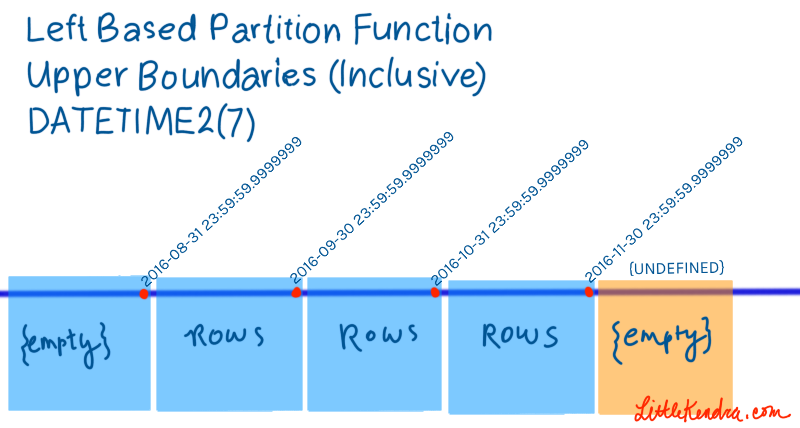
You’re designing table partitioning, or you want to make a change to an existing partition function. It’s critical to understand the difference between how “left” and “right” partition functions behave, but the documentation is a bit confusing on this topic.
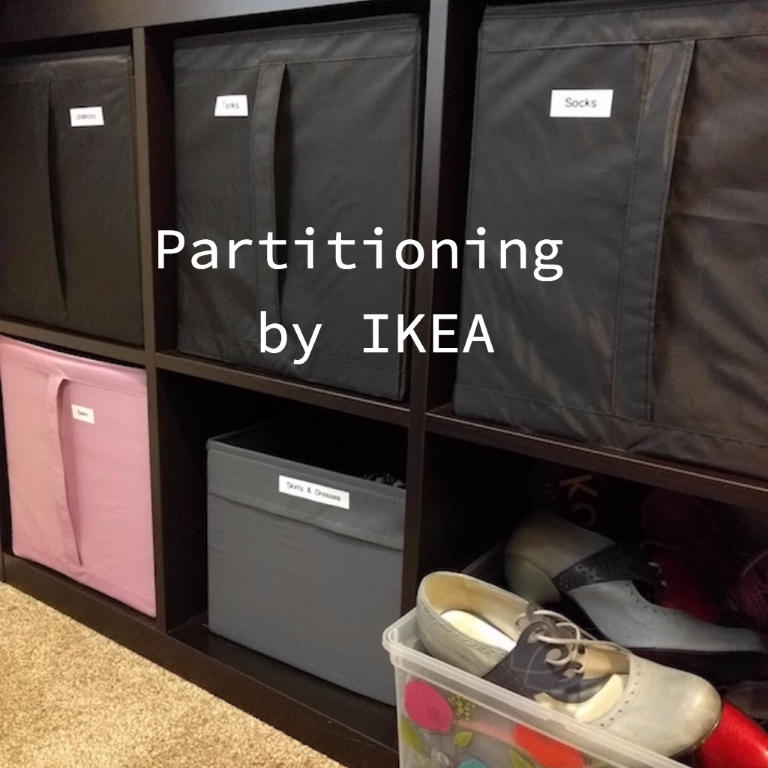
Table Partitioning in SQL Server has a bit of a learning curve. It’s tricky to just figure out how much data you have and where the data is stored.

Table partitioning seems simple, but there’s a lot of complexity in designing and managing it if you decide to use filegroups and splitting.
When you first implement partitioning in this scenario, you decide where you’re going to keep “out of bound” data when you create your partition scheme. Be careful when you make that decision, because it may not be easy to change later.
I received a question from a reader who was testing out a partitioning architecture:
We are testing table partitioning using one filegroup per partition. When we merge a boundary point, we see that partition_number changes in sys.partitions. Does this mean that data movement is occurring?
Copyright (c) 2025, Catalyze SQL, LLC; all rights reserved. Opinions expressed on this site are solely those of Kendra Little of Catalyze SQL, LLC. Content policy: Short excerpts of blog posts (3 sentences) may be republished, but longer excerpts and artwork cannot be shared without explicit permission.