Learner's Guide to SQL Server Query Tuning
Following on from my Learner’s Guide to SQL Server Performance Triage, I’m tackling Query Tuning. In this guide, I’m experimenting with an outline style rather than expanding each paragraph.
Sometimes it’s useful to know how to cause a problem.
Maybe you’ve never encountered the problem, and want to get hands-on experience. Maybe you’re testing a monitoring tool, and want to see if a condition flags an alert. Maybe you’re testing out a new client tool, and want to see how it displays it.
Last week I posted a quiz on SQL Operations Studio,Β a free, multi-platform tool from Microsoft..
This tool is under active development and the features are improving by the day – which makes it a great time to start trying out the tool and see what you like: because you can suggest changes!
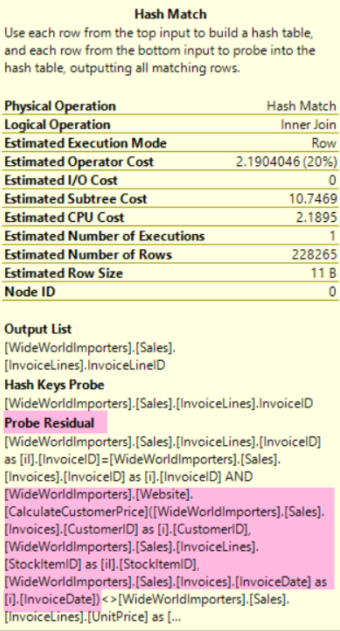
User defined functions are fairly simple to create in SQL Server, but figuring out exactly how they are being used can take a little time - even in a simple execution plan. This is because the functions can be tucked away into lots of different operators in the plan, even join operators.
The good news: once you learn what to look for, it’s not terribly complicated. There are some fancy terms involved, but the definitions are pretty simple.
I am excited to be giving a free online session as part of theΒ Idera Live Virtual Conference, 2018!

To see this in action, you can play along with this sample script.
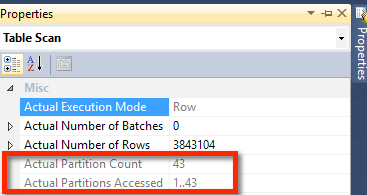
Table partitioning makes execution plans a bit more confusing.
I have a free online course which walks you through decoding execution plans, including whether or not partition elimination occurred.
Copyright (c) 2025, Catalyze SQL, LLC; all rights reserved. Opinions expressed on this site are solely those of Kendra Little of Catalyze SQL, LLC. Content policy: Short excerpts of blog posts (3 sentences) may be republished, but longer excerpts and artwork cannot be shared without explicit permission.