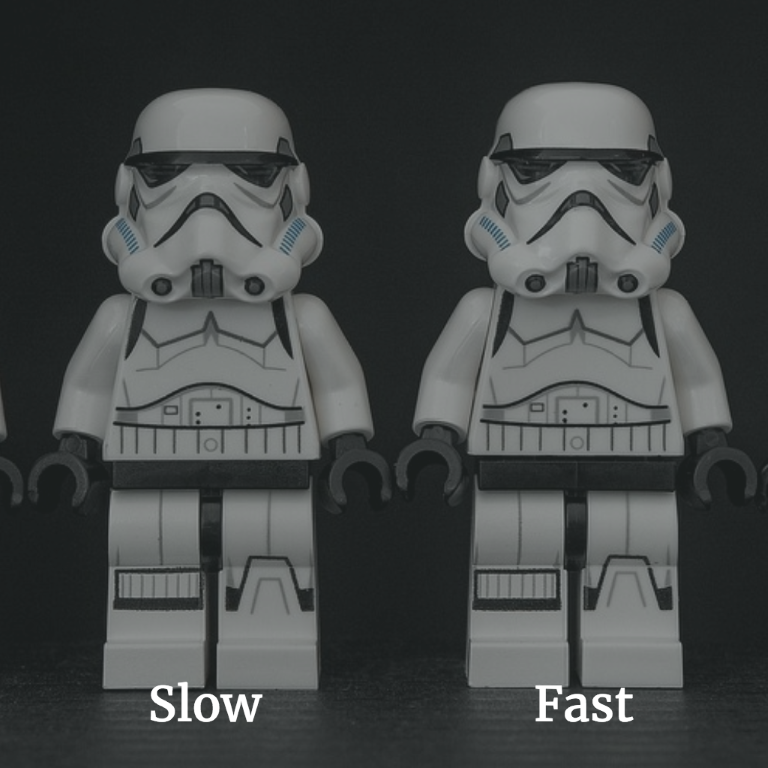
Why is My Query Faster the Second Time it Runs? (Dear SQL DBA Episode 23)
Category:
query-performance
Today’s question is about why a query might be slow at first, then fast the next time you run it.
Today’s question is about why a query might be slow at first, then fast the next time you run it.

It’s a big week for SQL Server! And it’s the perfect week to talk about this week’s question, which is about explaining to your management why it’s worth it to upgrade to SQL Server 2016, and which features you can use right away.
Episode update, April 2017: Learn About Adaptive Query Processing from Joe Sack
Microsoft shared a great video about Adaptive Query Processing, and you can learn about this new feature from Microsoft Program Manager Joe Sack. My original post below is full of speculation. Joe’s video is full of actual facts!

As a database administrator or developer, you’ll get into trouble fast if you try to force all your code and processes into a database shaped hole. You have to be creative when you problem solve – and when you communicate! So how do you cultivate creativity?
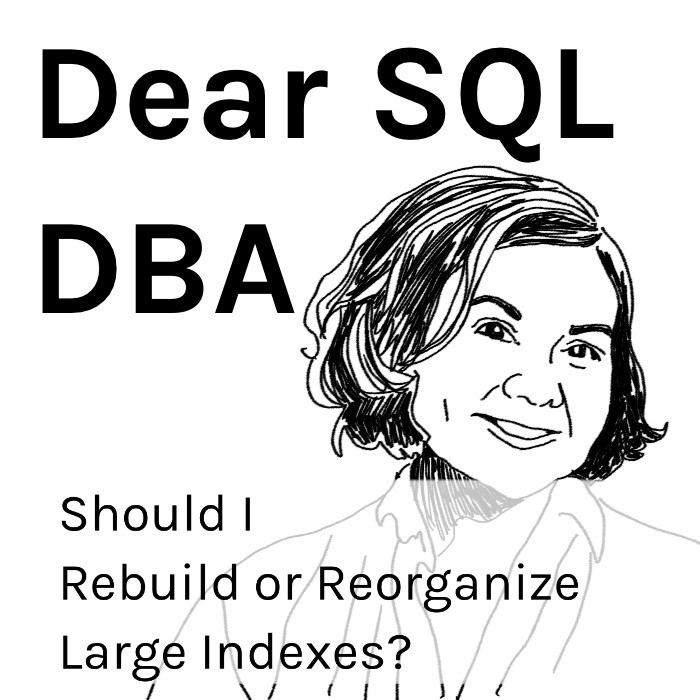
The bigger your indexes are, the harder your index maintenance falls. Is it better to rebuild big indexes? Or should you reorganize?
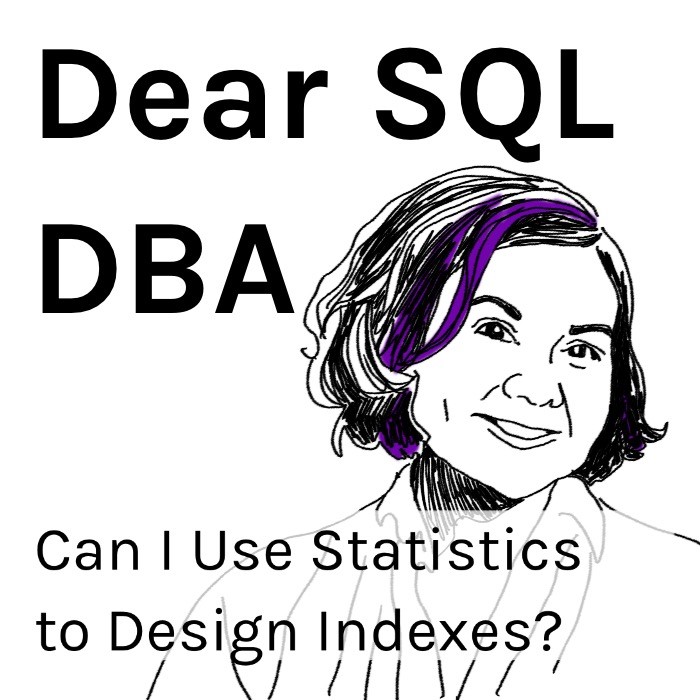
Should you look at automatically created statistics on your tables in SQL Server to help you design better indexes? Learn why in this 20 minute video, or subscribe to the Dear SQL DBA podcast.
No time to watch? Scroll on down, everything is written in article form below the video.
Here’s this week’s question:
What tools in SQL Server will notify you about blocking and help track the queries behind your toughest blocking and deadlocking problems?
Copyright (c) 2025, Catalyze SQL, LLC; all rights reserved. Opinions expressed on this site are solely those of Kendra Little of Catalyze SQL, LLC. Content policy: Short excerpts of blog posts (3 sentences) may be republished, but longer excerpts and artwork cannot be shared without explicit permission.