
How to Check if an Index Exists on a Table in SQL Server
Category:
indexing
It seems like this should be easy. But it’s not.
It seems like this should be easy. But it’s not.

Over the years I’ve gotten lots of emails and questions from students that start like this:
Help! My partitioned table has the wrong data in a partition! It’s lopsided. I started trying to fix it, but…

SQL Server 2016’s new Query Store feature has an option that looks for “regressed” query plans.
But does it catch “bad” parameter sniffing?
SQL Server 2016’s new Query Store feature makes it easier than ever for DBAs and developers to identify the most important queries to tune– and perhaps apply a quick fix by pinning an execution plan.

Hindsight is everything. I was lucky to be trained by a great team of DBAs back when I first started with SQL Server. But it’s hard to know exactly what you really need to know, particularly as new tools are becoming available.

Planning to move to new hardware for your SQL Server? Techniques like log shipping and database mirroring can be incredibly useful to make the change fast and painless– but you’ve got to pick the right techniques for your environment ahead of time, and know how to do a few things that aren’t in the GUI.
Here are some of my favorite whitepapers and resources to get you going.
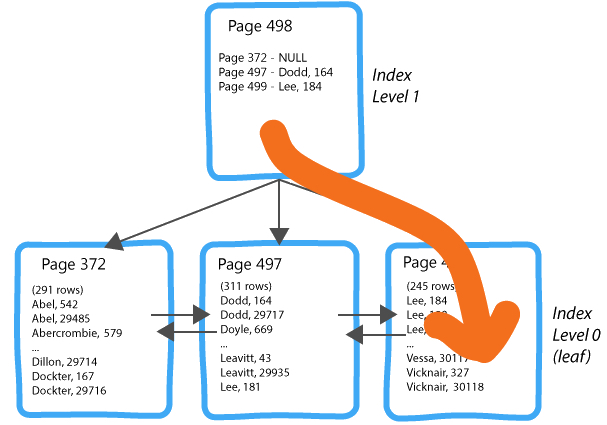
My new one day training session, “SQL Server Index Formulas: Problems and Solutions”, is now available for just $99!
Copyright (c) 2025, Catalyze SQL, LLC; all rights reserved. Opinions expressed on this site are solely those of Kendra Little of Catalyze SQL, LLC. Content policy: Short excerpts of blog posts (3 sentences) may be republished, but longer excerpts and artwork cannot be shared without explicit permission.